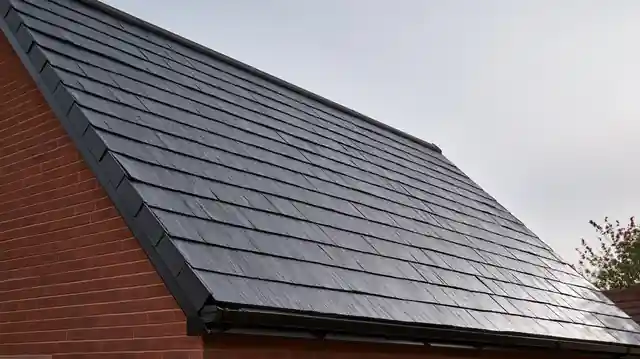
Tiled Roofing Chelmsford
Tiled roofing support that helps protect your home, clarify the work needed, and keep repairs straightforward.
Tiled Roofing for Chelmsford Properties
Tiled roofing can become relevant when individual tiles are damaged, slipped, or nearing the end of their usable condition. The right response depends on what is found during inspection, because a small repair, targeted replacement, or broader roof work may each be appropriate in different situations.
A tiled roof should be considered as a working system rather than a set of separate parts. Tiles, fixings, underlay, flashings, ridges, and nearby roof details all affect how well the roof sheds water and resists further movement.
When tiles are disturbed or missing, the issue is not always limited to the visible break. Water can track into surrounding areas, so the surrounding roof structure and adjoining details should be checked before any work is specified.
Clear advice is most useful when it explains both the immediate fault and the likely wider implications. That helps you understand whether a small repair is likely to be sufficient or whether a larger section needs attention.
Our local tiled-roof specialists serving Chelmsford also cover slate, flat roofs, repairs and roofline work.
Tiled Roofing Topics at a Glance
- Roof survey and visible-condition check
- Clear explanation of the likely cause
- Appropriate material and access considerations
- Written quotation for the proposed scope
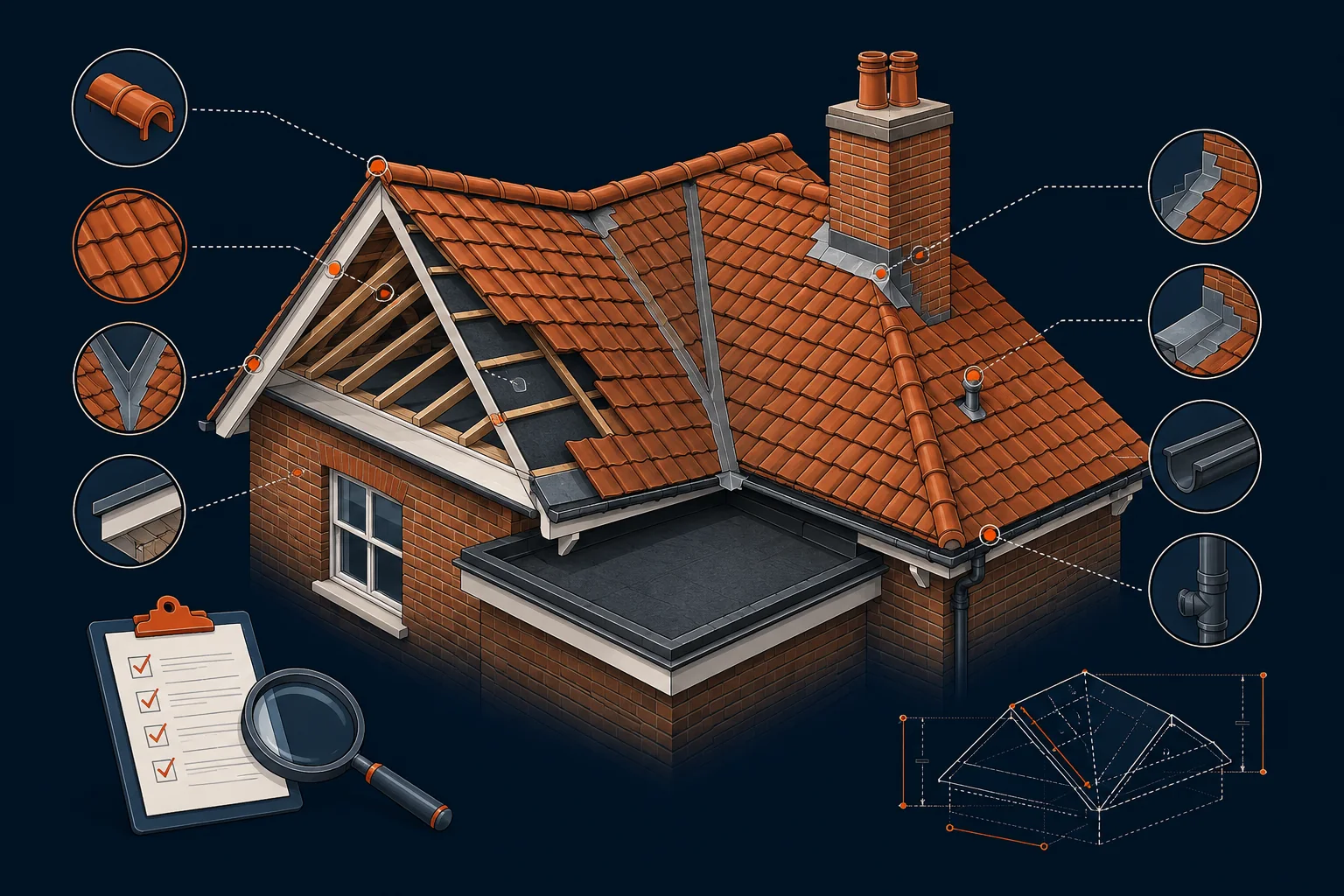
How We Assess a Tiled Roof
Before repair or replacement work is specified, the roof should be checked for visible tile damage, movement, signs of water entry, and the condition of nearby details. An effective assessment also considers whether the issue is isolated or part of a wider pattern that would make a broader scope more sensible.
Inspect before specifying the work
Inspecting before specifying the work helps avoid unnecessary replacement and reduces the chance of missing related defects. A careful look at the roof surface and supporting details gives a clearer basis for deciding what should happen next.
The inspection should consider how the damage presents, where it is located, and whether more than one tile or detail is affected. That information helps distinguish a simple repair from a task that needs more extensive attention.
A good assessment also looks for signs that the roof has been patched before or that adjacent areas are beginning to fail. Those clues can influence whether the best outcome is a targeted fix or a more complete plan.
What guides the quotation
The quotation should follow the findings, not the other way around. Work may need to account for access, the type and quantity of materials required, and any related repairs that are needed to complete the job properly.
Assessment focus
- Inspect tiles and fixings
- Check battens and underlay
- Match the tile profile
Written scope
- Visible condition
- Safe access
- Material specification
- Relevant exclusions
Roof Tile Repairs and Replacement
Roof tile repairs and replacement should be scoped according to the condition found on site. Some roofs only need one or a few tiles replaced, while others need a wider repair where surrounding tiles, fixings, or details have also been affected.
The right scope starts with the fault itself, then expands only if the inspection shows a wider issue. That approach keeps the work proportionate and helps ensure the repair addresses the cause rather than just the visible symptom.
Where damage is limited, a focused repair may be the most suitable response. If the roof shows broader wear or repeated movement, replacement of additional tiles or associated details may be needed to achieve a lasting result.
- Tile profile, size and condition are checked before compatible replacements are selected.
- Fixings, battens and underlay are considered where they can be inspected safely.
- The scope distinguishes an isolated tile repair from deterioration affecting a wider roof area.
Tile Roof Repairs
Tile roof repairs often involve identifying why a tile has failed before deciding how to fix it. A tile that has slipped, cracked, or become loose may be part of a localised problem or a sign that nearby components also need attention.
Repairs should be matched to the condition of the surrounding roof, not just the single affected tile. That helps reduce the chance of repeated disruption and supports a more durable outcome.
If more than one area is affected, the repair may need to include neighbouring tiles, fixings, or roof details. A broader repair can be more practical when isolated work would leave the roof in an uneven or vulnerable condition.
- Identify the correct tile profile, size and interlock
- Check nearby fixings, battens and underlay where safely visible
- Replace damaged units without unnecessarily disturbing sound courses
Replacing Roof Tiles
Replacing roof tiles is usually straightforward when the damaged unit is accessible and the surrounding roof remains sound. The replacement should fit the roof properly and work with the existing arrangement around it.
It is important to match the replacement to the roof as closely as possible so the finished section remains consistent in function. The aim is to restore protection without creating unnecessary disturbance elsewhere on the roof.
Some replacements are limited to a single tile, while others involve a small group where the surrounding area has also been stressed. The extent of work depends on how far the damage has spread and whether neighbouring tiles are still secure.
A sensible replacement plan also takes account of how the tile sits in relation to ridges, edges, and junctions. Those details can influence both the ease of the work and the reliability of the result.
- Source compatible replacements or agree an appropriate visual match
- Lift adjoining tiles carefully to protect sound edges and fixings
- Reinstate the correct headlap, alignment and weathering detail
Clay and Concrete Roof Tiles
Clay and concrete roof tiles both serve the same broad purpose, but they can differ in size, weight, finish, and the way they age. That means the condition of the roof and the existing tile type both matter when repairs are being planned.
The choice of repair method should suit the tile type already on the roof. A proper approach respects the way the roof was built so the repair blends into the existing structure and supports ongoing performance.
If a roof contains a mix of tile types or has had previous work, the assessment should take that into account. The quotation should reflect what is needed to make the repair practical and consistent with the roof's current condition.
- Confirm roof pitch and structural suitability for the selected tile
- Consider colour variation, surface weathering and expected appearance
- Use compatible ridge, verge, ventilation and other proprietary fittings
Tile Lifespan and Roof Details
Tile lifespan is influenced by condition, upkeep, and whether supporting roof details are still sound. A roof may look serviceable overall, but repeated failures or widespread deterioration can indicate that a more substantial response is becoming appropriate.
It is not enough to judge age alone; the visible condition of the tiles and the surrounding details matters just as much. A roof with isolated wear can often be repaired, while one with broader deterioration may need a wider plan.
When discussing lifespan and roof details, the key question is whether the roof is still working as intended. If the surface, fixings, or adjoining elements are no longer reliable, replacement may be the more practical long-term option.
- Condition of fixings, battens, underlay and roof ventilation
- Performance of ridge, verge, valley and flashing details
- Exposure, maintenance and speed of attention to isolated damage
A Written Plan for Tiled-roof Work
Condition
Condition is the starting point for any tiled roofing recommendation. The visible state of the tiles, along with the condition of the supporting and adjoining details, helps determine whether repair, replacement, or further investigation is needed.
Access
Access matters because it affects how safely and efficiently the work can be completed. The route to the roof, the working area, and any constraints around the affected section can all influence the practical scope of the job.
Specification
Specification should describe exactly what will be done and which roof areas are included. A clear specification helps avoid confusion, especially where the work could involve different materials, more than one repair step, or related roof details.
Tiled Roofing FAQs
Yes, one broken roof tile can often be replaced if the surrounding roof remains in good condition and the tile is still accessible. The inspection should confirm that the damage is limited, because nearby issues may mean the work needs to be extended beyond a single tile.
Roof tiles can slip when fixings fail, the tile itself is damaged, or the surrounding roof details no longer hold it securely in place. If a tile has moved, it is sensible to check the nearby area as well, because one slipped tile can sometimes point to a wider fastening or weathering issue.
Clay and concrete tiles are not always repaired in exactly the same way, because their size, finish, and fixing arrangements can differ. The repair method should suit the tile already on the roof so the result is practical and compatible with the existing structure.
A tiled roof may need replacement when damage is widespread, repeated repairs are no longer sensible, or the overall condition has deteriorated beyond a straightforward fix. A proper inspection is the best way to decide whether repair remains realistic or whether replacement is the better option.
Ask about tiled roofing
A written quotation should reflect the inspection findings, the roof access required, the materials needed, and the exact scope agreed for the job. That makes it easier to compare options and understand whether the work is a focused repair or something broader.
If you are unsure whether a tiled roof needs repair or replacement, the safest next step is to have the condition checked and the scope set out clearly. A written plan helps turn the inspection into practical work that matches the roof's actual needs.