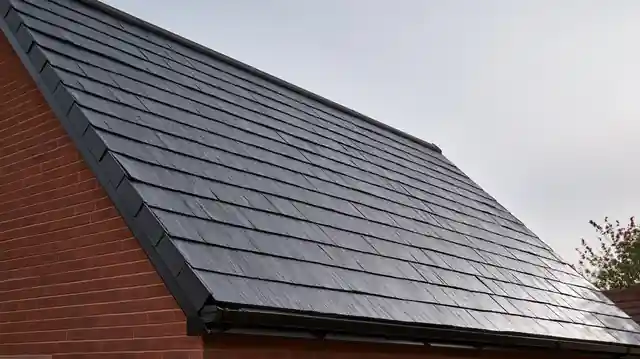
Roof Repointing Chelmsford
Roof repointing helps secure vulnerable roof joints and keeps your property better protected.
Roof Repointing for Chelmsford Properties
Roof repointing is considered when mortar around roof features has begun to break down or no longer performs as intended. On this page, the service is explained in practical terms so you can understand when it may be relevant, what a proper assessment should cover, and how the work can be scoped before anything is specified. For Chelmsford properties, the key question is not just whether mortar looks worn, but whether the underlying roof detail still has enough sound material to justify repair rather than a different solution.
A careful approach starts with identifying exactly which part of the roof needs attention and whether the issue is limited to local deterioration. Pointing is only one element of roof maintenance, so the decision to repoint should follow a clear inspection rather than assumptions made from a quick visual check.
Good advice is to treat repointing as a targeted repair where the existing material can still support it. If the surrounding roof detail is unstable, damp, or repeatedly failing, the right response may need more than a simple mortar renewal.
Roof pointing is most useful when mortar has weathered unevenly, opened up at joints, or started to lose its bond. In those situations, the aim is to restore the joint so it can continue doing its job without leaving the rest of the roof detail under unnecessary strain.
If the failure is widespread, the work may need to be broader than one isolated patch. That is why a sensible repair plan should come from the condition found on site, not from a preset description of the job.
The practical value of repointing is that it can extend the life of a roof detail when the surrounding materials are still serviceable. It is a maintenance-led repair, so the benefit depends on matching the scope to the actual level of wear.
Where deterioration is minor, a focused repair may be enough. Where the joint has failed more extensively, the work should be defined carefully so that the finished repair is durable and appropriate to the roof's condition.
Repointing is one part of the work covered by our roofing company serving Chelmsford.
Roof Repointing Topics at a Glance
- Roof survey and visible-condition check
- Clear explanation of the likely cause
- Appropriate material and access considerations
- Written quotation for the proposed scope
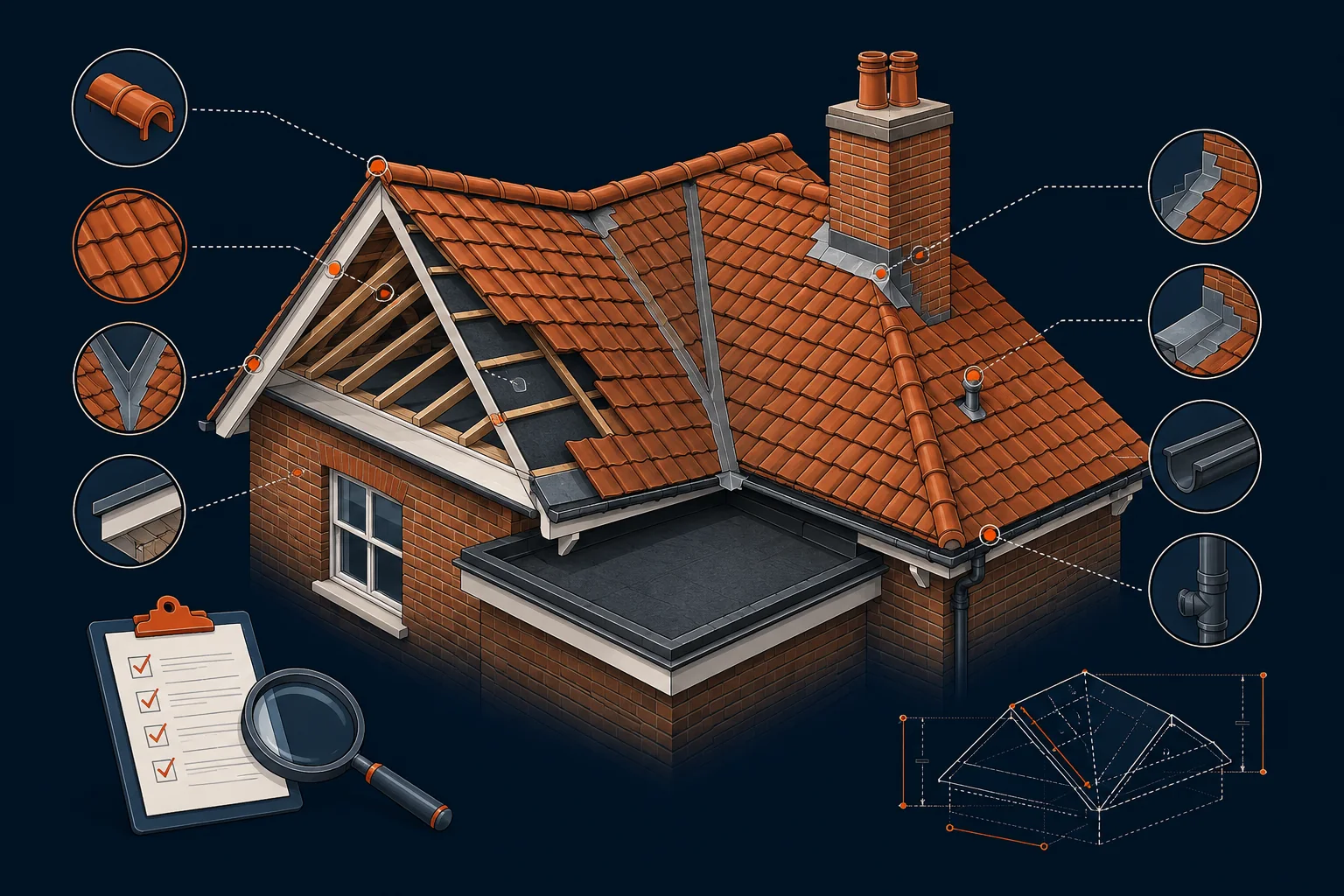
How We Assess Roof Pointing
Before any repair or replacement is specified, the roof detail should be checked for the cause, extent and pattern of the mortar failure. That includes looking at how much material remains sound, whether movement has affected the joint, and whether moisture has contributed to the breakdown. The result should be a recommendation based on condition, not just appearance.
Inspect before specifying the work
Inspecting first helps separate cosmetic weathering from genuine failure. A roof joint can look uneven without needing immediate work, while a more serious defect may only become clear once the surrounding area is examined properly.
The purpose of inspection is to avoid over-specifying the job. If the mortar is still holding well in most places, the work may stay localised; if the bond is failing more broadly, a larger section may need attention.
A good inspection also considers whether the failure is isolated to one feature or reflects a wider problem. That distinction matters because a narrow repair can be effective on a stable roof, but repeated patching is not a substitute for addressing an ongoing defect.
The assessment should also note any signs that the joint has been disturbed by movement, age or previous poor repairs. Those clues help shape a more reliable recommendation.
It is often useful to check the surrounding roof detail at the same time, because pointing does not fail in isolation. Nearby components can influence how long a repair lasts and whether the chosen method is suitable.
When the inspection is thorough, the advice becomes easier to trust. You get a clearer answer on whether the work is simple renewal, careful patch repair or a more considered scope of repointing.
What guides the quotation
A quotation should be guided by what was found on inspection rather than by a generic assumption about roof pointing. The condition of the mortar, the amount of work needed and any practical limits on access all affect the final scope.
That means two roofs with similar-looking symptoms may still need different written specifications. The quotation should describe the repair in a way that reflects the actual situation on site.
Assessment focus
- Remove loose material
- Check the supporting detail
- Use a compatible specification
Written scope
- Visible condition
- Safe access
- Material specification
- Relevant exclusions
Roof Repointing and Mortar Options
Roof repointing and mortar options should be chosen to suit the roof detail that has failed. In some cases, the work may involve renewing only the deteriorated sections; in others, the better answer may be a different fixing approach if the existing mortar is no longer the right solution. The scope should follow the condition found, so the repair is neither underdone nor unnecessarily broad.
Different mortar repairs serve different purposes. A small, localised renewal can be appropriate where the surrounding roof remains sound, while a more extensive intervention may be needed if the weakness is spread across a larger area.
The important point is that the repair method should match the problem. A precise scope usually gives a better outcome than a one-size-fits-all approach.
Where roof features are exposed to repeated wear, repointing may be part of a broader maintenance response. The repair should be detailed so that it supports the existing construction rather than masking a deeper issue.
That is why the condition of the joint matters so much. Once the assessment shows how much mortar is still performing properly, the most suitable option becomes easier to define.
- Loose or failed mortar should be removed back to sound edges before renewal.
- The replacement mortar and detail need to suit the existing roof materials.
- Dry-fix is considered where it provides a more appropriate long-term detail than renewed mortar.
What Roof Repointing Means
Roof repointing means renewing the mortar at roof joints where the existing material has deteriorated. Its purpose is to restore the joint so it remains secure and capable of doing its job.
Because the work is specific to the condition of the mortar, it should not be treated as a cosmetic touch-up. A proper repair is designed to address failed material, not simply improve appearance.
A well-planned repointing job begins by removing mortar that is no longer sound. Fresh material is then applied where needed so the joint can be rebuilt in a controlled way.
The detail of the repair matters because the new mortar has to suit the existing roof feature. If the replacement is not compatible with the condition found, the repair may not last as intended.
Repointing is most useful when the surrounding roof structure is still stable enough to support it. In that case, renewing the joint can be a practical way to protect the feature and reduce further deterioration.
If the inspection shows greater instability, the work may need to change in scope. A sensible repointing plan always depends on what is actually happening at the roof edge or joint.
- Remove friable mortar without unnecessarily damaging adjoining materials
- Clean and prepare the joint back to a stable surface
- Apply and finish a compatible mortar suited to the exposed detail
Signs Roof Pointing Has Failed
Common signs of failed roof pointing include cracking, crumbling and missing mortar at the joint. These changes suggest the material is no longer holding together as it should.
The issue may also show up as looseness or gaps that expose the joint to further weathering. Once that happens, the defect can worsen if it is left unchecked.
Another warning sign is mortar that has become powdery or detached in sections. That usually indicates the material has lost strength and is no longer doing its job properly.
If the damage is only local, the repair can sometimes stay focused. If several areas show the same symptoms, the roof detail needs a more complete assessment.
Failure is often progressive rather than sudden, so the earliest signs can be easy to overlook. Small cracks or opened joints may not seem urgent, but they can indicate the start of a larger maintenance issue.
A prompt inspection helps establish whether the problem is isolated wear or a broader pattern. That distinction is important when deciding how much work is actually required.
- Cracked, hollow or visibly open mortar joints
- Loose fragments collecting on lower roof slopes or in gutters
- Movement around verges, junctions or other mortar-secured details
Mortar Repair or Dry-fix?
Mortar repair and dry-fix methods are not interchangeable in every situation. The right choice depends on how the roof detail is built, what has failed and whether the existing material can still be repaired effectively.
If the mortar is sound enough for renewal, a mortar-based repair may be appropriate. If the inspection shows that another fixing approach is better suited to the defect, the recommendation should follow that evidence instead of defaulting to mortar.
A dry-fix solution may suit some roof details, but it should not be assumed to be the best answer for every repointing issue. The method needs to fit the construction and the condition found on site.
That is why the inspection should come first. Once the underlying problem is understood, the choice between mortar repair and an alternative fixing method becomes clearer.
In some cases, the main advantage of dry-fix is consistency and reduced reliance on mortar that has already broken down. In other cases, the existing feature may still be better served by a careful repointing repair.
The most reliable approach is to compare the condition, the extent of failure and the practicality of each option before deciding. That keeps the work aligned with the actual roof detail.
The best repair method is the one that answers the defect found, not the one that sounds simplest. If the joint can be renewed properly, repointing may be the right route; if not, the scope should change accordingly.
A balanced recommendation protects the roof detail and avoids unnecessary repeat work. That is especially important where the same joint has already been repaired before.
- Focused mortar renewal where the surrounding detail remains stable
- Dry-fix components where movement or recurring failure makes them suitable
- Compatibility with adjoining tiles, ventilation and manufacturer requirements
What Affects Repointing Cost
The cost of repointing depends on how much of the roof detail needs attention and how involved the repair is likely to be. A small, contained job will usually be scoped differently from a wider section that shows more extensive failure.
A written quotation should therefore reflect the real extent of the work rather than a generic estimate. The more clearly the defect is defined, the easier it is to price the repair responsibly.
Access can influence the overall scope because the roof feature must be reached safely and worked on properly. Where access is straightforward, the job may be simpler to carry out; where it is more involved, the specification may need to account for that.
The quotation should also reflect any practical restrictions identified during inspection. That helps ensure the scope is realistic and properly matched to the site conditions.
Materials and the amount of preparation required can also affect how the work is priced. If the existing mortar is heavily deteriorated, more removal and rebuilding may be needed before the new repair can be completed.
A good quotation takes those factors into account so the customer understands what the repair includes. That makes the scope easier to compare and easier to approve.
The final cost is closely tied to the level of deterioration found on site. A repair to a few failed joints is a different task from work that has to address widespread breakdown or repeated previous patching.
Because of that, the inspection is the key step. It shows whether the job is limited, moderate or more substantial, and the quote should follow that finding.
- Length, height and exposure of the pointing that needs attention
- Time required to remove failed material and prepare sound joints
- Scaffolding, roof access and protection of surrounding surfaces
Defining the Repointing Work
Condition
Condition is the starting point for any repointing recommendation. Sound mortar may only need monitoring, while cracked or missing material usually indicates that repair is becoming necessary.
The better the condition is understood, the better the work can be scoped. That prevents both under-specification and unnecessary intervention.
Access
Access affects how easily the roof detail can be inspected and repaired. If the area is awkward to reach, the work may require more planning and a more carefully defined scope.
Safe access is important for quality as well as practicality. A repair that can be reached and worked on properly is more likely to be completed to a reliable standard.
Specification
Specification should set out exactly what is to be repaired, where the work applies and how far the renewal needs to go. That clarity matters because repointing is often a targeted task rather than a full roof overhaul.
A good specification follows the inspection findings closely. It should describe the condition, the chosen method and any limits on the extent of the repair so there is no ambiguity about the job.
Roof Repointing FAQs
Usually not. New mortar should not simply be applied over loose pointing, because failed material needs to be removed first so the repair can bond properly. If the old mortar is still breaking away underneath, the new layer is unlikely to be durable.
A proper repair starts with sound preparation. That way the new mortar is applied to a stable joint rather than being used to hide weakness that is still active.
Roof pointing can crack because the mortar has aged, weathered or lost its bond over time. Movement in the roof detail, repeated exposure and earlier poor repairs can also contribute to visible cracking.
Once cracks appear, they can let more moisture into the joint and make the problem worse. That is why a cracked section should be inspected before it develops into a larger failure.
No. Dry-fix is not always better than mortar, because the right method depends on the roof detail and the defect being addressed. Some situations are well suited to mortar repair, while others call for a different approach.
The best option is the one that fits the condition found on inspection. Choosing the method on that basis is more reliable than assuming one system is universally superior.
Repointing cost is assessed by looking at the extent of deterioration, the amount of preparation needed and any access considerations. The type of roof detail and the method chosen also influence the scope of the work.
A written quotation should reflect those findings so the price is tied to the actual repair required. That makes the assessment clearer and the proposed work easier to understand.
Ask about roof repointing
A written roofing quote should bring together the inspection findings, the repair method and the practical scope of the job. If the mortar failure is localised, the quotation should stay focused; if the defect is broader or the access is more involved, those details need to be included so the scope is accurate. The aim is to provide a clear description of the work that follows the condition found on site.
When you ask about roof repointing, it helps to share what you have noticed and where the problem appears to be. That gives the inspection a clearer starting point and helps the recommendation focus on the right roof detail.
The most useful response is one that links the visible signs to a defined scope of work. If the repair is appropriate, it should be described clearly; if a different solution is better, that should also be explained in the written quote.