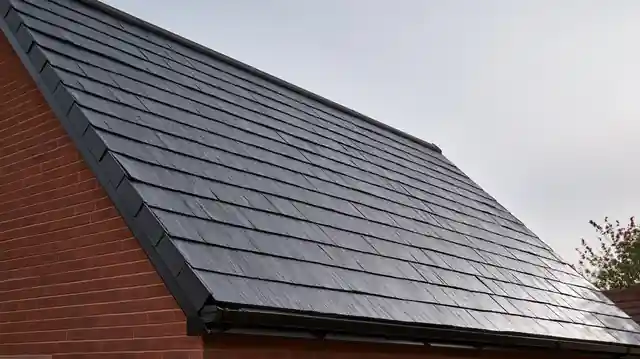
Slate Roofing Chelmsford
Slate roofing support that helps protect your home and keep your roof performing as it should.
Slate Roofing for Chelmsford Properties
Slate roofing can be relevant when you need repair advice, a clearer view of roof condition, or a written scope for planned work. This page explains how slate roofs are assessed, what may influence the recommendation, and how the likely response is shaped by what is found on the roof.
For a slate roof, the right approach depends on the covering, the fixings, the surrounding details and the extent of any damage. A careful inspection helps separate a straightforward repair from work that needs a broader specification.
Whether you are comparing options or trying to understand a visible issue, the aim is to give practical guidance that reflects the roof in front of you rather than a one-size-fits-all answer.
Slate roofing work should begin with the roof’s current condition, because the same symptom can point to very different causes. A slipped or damaged slate may be isolated, or it may be a sign of movement, failed fixings or wider wear in the covering.
The most useful guidance comes from checking the roof as a whole, not only the obvious fault. That helps ensure any recommendation takes account of the surrounding slates, adjacent details and the likely effect on the rest of the roof.
A well-planned slate roofing visit looks beyond surface appearance. The condition of the slates, the integrity of the fixings and the way the roof is detailed all affect whether repair is sensible or whether a larger scope should be considered.
This matters because slate roofs often fail in patterns rather than in single isolated spots. Looking at the broader picture helps avoid unnecessary work while still addressing the cause of the problem.
When slate roofing is assessed properly, the recommendation can be matched to the roof instead of to a generic description of the issue. That is especially important where the visible defect is small but the surrounding area may be aged or stressed.
A practical assessment gives you a better basis for choosing between targeted repair, more extensive maintenance or replacement work. The aim is to make the next step clear and proportionate.
Compare this service with the other work provided by our slate and roofing team serving Chelmsford.
Slate Roofing Options at a Glance
- Roof survey and visible-condition check
- Clear explanation of the likely cause
- Appropriate material and access considerations
- Written quotation for the proposed scope
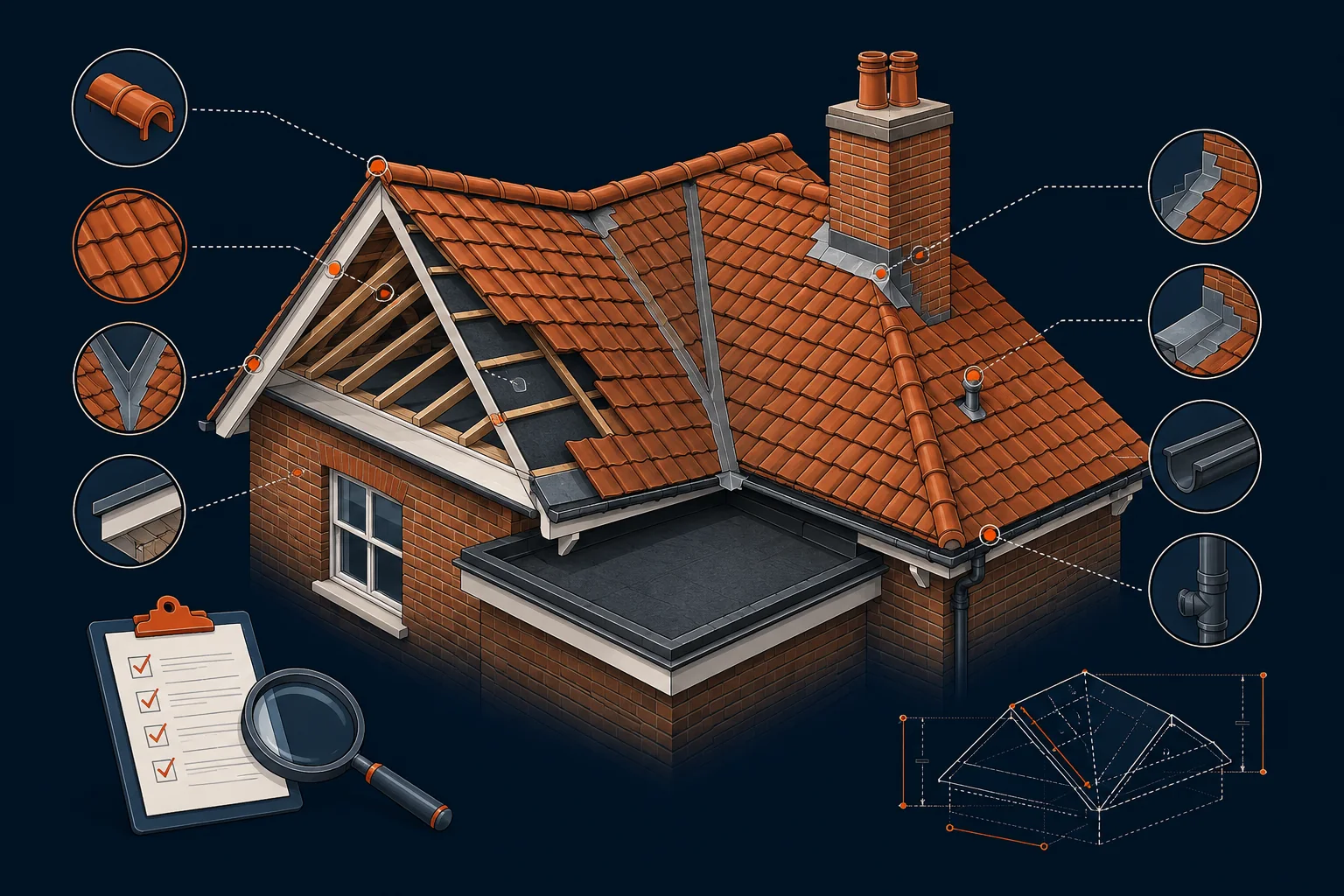
How We Assess a Slate Roof
Before repair or replacement is specified, the roof should be checked for the condition of the slates, the fixings, any signs of movement and the effect of the surrounding roof details. A slate roof can show one visible defect while the underlying issue sits elsewhere.
It is also important to understand how widespread the problem is. A proper assessment helps show whether the work can remain local to one area or whether the scope needs to extend further across the roof.
Inspect before specifying the work
Inspection before specifying the work should identify the source of the problem, not just the visible result. That may include a slipped slate, a cracked slate, worn fixings or nearby details that are no longer supporting the roof as they should.
Once the cause is clearer, the recommendation can be based on evidence rather than assumption. That makes it easier to decide whether repair is enough or whether more extensive work is justified.
A slate roof should also be checked for consistency across the affected area. If several slates are loose, damaged or mismatched, the issue may be broader than a single repair point.
That wider view helps prevent repeated call-backs and avoids treating a developing fault as if it were completely isolated. The result is a more reliable plan for the roof overall.
The inspection should consider what can be safely retained and what needs to be renewed. On some roofs, a local repair can preserve much of the existing covering; on others, the condition found may point toward more substantial work.
Clear findings are important because slate roofing is often chosen for durability and appearance, so any replacement or repair should respect the existing roof where possible while still correcting the defect.
What guides the quotation
The quotation should reflect the condition found on site, the amount of work involved and the materials needed to complete the job properly. A slate roof quote is most useful when it explains the basis for the proposed scope.
Where access is more involved or the repair area is more extensive, that will naturally affect the written price and the work description. The aim is to set out what is included so the proposal is easier to compare and understand.
Assessment focus
- Check slates and fixings
- Review battens and underlay
- Match size and thickness
Written scope
- Visible condition
- Safe access
- Material specification
- Relevant exclusions
Slate Roof Repairs and Replacement
Slate roof repairs and replacement are not always competing options; the right response depends on what the assessment shows. A localised defect may suit a repair, while broader deterioration, repeated slippage or widespread wear may justify replacement work.
The service scope should follow the roof’s actual condition. That keeps the recommendation proportionate and helps ensure the work addresses the underlying issue rather than only the most visible symptom.
Where the problem is limited, a repair can often be the most practical way to restore performance. That might involve replacing damaged slates, correcting slips or dealing with nearby fixings that have failed.
If the affected area is larger than it first appears, the repair scope may need to be adjusted. The key is to respond to what the roof shows during inspection, not to rely on the first visible fault alone.
Replacement becomes more relevant when the roof’s condition no longer supports dependable repairs alone. Repeated problems, widespread wear or a poor match between existing and replacement materials can all influence that decision.
A replacement recommendation should still be specific to the roof in question. The most useful outcome is a scope that explains why the work is needed and what part of the roof it is intended to address.
- Existing slates are assessed for condition, compatibility and potential salvage.
- Replacement slates need to suit the size, thickness and appearance of the surrounding covering.
- Fixings, battens and adjoining roof details are considered before the work is specified.
Slate Roof Repair
A slate roof repair should resolve the immediate fault while keeping disturbance to the rest of the covering as low as possible. That means replacing or resetting only what is needed and checking the neighbouring area for related issues.
Good repair work also considers how the new and existing slates will sit together. The aim is a neat, secure result that fits the roof rather than standing apart from it.
Repair work is most effective when the cause has been identified correctly. A slipped slate can sometimes be put right quickly, but the repair should also account for why it moved in the first place.
If the surrounding slates or fixings are in poor condition, a narrow fix may not be enough. A sensible repair scope allows for the surrounding context so the same problem is less likely to return immediately.
Some slate repairs are straightforward, while others need more careful planning because the roof is older, more fragile or harder to access. The method should suit the condition found rather than follow a fixed formula.
A clear repair approach should explain what is being retained, what is being renewed and how the work supports the rest of the roof. That helps the customer understand the value of the intervention.
- Secure slipped slates and replace units that are cracked or broken
- Check visible fixings and battens for localised deterioration
- Match the replacement size, thickness and appearance as closely as practical
Slate Roof Replacement
Slate roof replacement is considered when repair is no longer the most practical or reliable option. That may be because the covering has deteriorated beyond isolated faults or because patching would leave the roof inconsistent.
A replacement scope should be based on the extent of the condition found and the need for a durable result. The intent is to provide a roof that performs well as a complete covering, not only in the most visible areas.
Replacing a slate roof is a more involved decision than repairing one slate or one area. It should be supported by a clear assessment of what has failed, how widespread the issue is and what can realistically be retained.
A well-defined replacement proposal makes it easier to understand why the work is necessary and how it differs from smaller remedial work. It also helps the customer compare options on a like-for-like basis.
When replacement is chosen, the work should be specified so it reflects the roof’s existing structure and the required finish. That includes deciding what remains suitable to keep and what must be renewed for the roof to function properly.
The most useful replacement advice is practical and proportionate. It should show how the new work will address the current condition while fitting the roof’s overall needs.
- Sort and retain reusable natural slates where appropriate
- Inspect supporting timber, battens and underlay after careful stripping
- Specify coverage, headlap and fixing method for the replacement system
Natural and Fibre-cement Slate
Natural slate and fibre-cement slate are both used in roof covering work, but they are not interchangeable in every situation. The choice depends on the roof, the desired result and the specification that best suits the existing covering.
A customer should expect the recommendation to explain the differences in broad terms and relate them back to the roof being assessed. That helps the final choice stay grounded in the actual job rather than in a generic material preference.
Natural slate is often considered where a traditional slate appearance or closer material continuity is important. Fibre-cement slate may be considered where the specification, budget or practical requirements point in that direction.
The right option depends on how well the material will suit the roof and the surrounding details. Matching the existing covering is often part of that decision, but the condition of the roof and the intended scope matter just as much.
The most suitable slate type is the one that works with the roof’s current condition and the proposed work. That may mean prioritising appearance, consistency, practicality or the balance between them.
A sound specification should make the material choice understandable. Rather than treating slate types as a simple upgrade or downgrade, it should show how each option fits the job in front of you.
- Natural slate offers quarried variation in colour, texture and durability
- Fibre-cement slate provides a consistent manufactured format
- Compatible fittings and fixing patterns must suit the chosen product
A Slate-roof Specification That Fits the Existing Covering
Condition
Condition is the starting point for any slate roofing decision. The covering should be checked for broken or slipped slates, failing fixings, signs of movement and any nearby issues that could be contributing to the problem.
Once the condition is clear, the work can be tailored accordingly. This avoids both under-specifying a real issue and over-specifying a roof that only needs limited intervention.
Access
Access affects how a slate roof can be inspected and worked on safely and efficiently. Where access is straightforward, the job may be simpler to assess and complete; where it is more awkward, the method and scope may need to be adjusted.
That does not change the roof’s underlying condition, but it does affect the practical plan for carrying out the work. Access should therefore be part of the quotation and the proposed scope from the outset.
Specification
Specification turns the inspection findings into a clear plan. It should state what is being repaired or replaced, what materials are to be used and how the work relates to the existing roof covering.
A good specification avoids vague wording. It helps the customer understand the intended outcome and gives a more reliable basis for comparing proposals or approving the work.
Slate Roofing FAQs
Yes, one slipped slate can often be repaired if the surrounding roof is sound and the cause is limited. The important point is to check whether it is truly an isolated issue or part of a wider problem with fixings or nearby slates.
If the inspection shows only a local fault, a focused repair may be enough. If more movement or deterioration is found, the recommended scope may need to be larger.
Slates usually slip because something in the fixing or support has changed. That can include worn fixings, movement in the roof structure or deterioration around the affected area.
A slipped slate should be treated as a symptom rather than the whole diagnosis. Checking why it moved helps prevent the same issue from recurring after a quick fix.
Natural slate can sometimes be matched, but the result depends on the existing roof and the availability of a suitable slate. Colour, texture and size all affect how closely a replacement will blend.
Where a close match matters, the specification should take time to consider the existing covering. Even then, the best approach may be the one that balances appearance with a secure, durable repair.
A slate roof may need replacement when defects are widespread, repairs are no longer holding, or the covering has deteriorated to the point that patching is no longer sensible. Repeated slipping, extensive damage or general wear can all point in that direction.
The decision should come from inspection rather than appearance alone. A roof with a small number of visible faults may still be repairable, while a roof with broader hidden deterioration may need a fuller replacement plan.
Ask about slate roofing
A written quotation should follow the inspection findings, because the roof’s condition determines the likely scope of work. It should reflect what is to be repaired or replaced, how much material is involved and whether the roof needs a local or broader response.
Access requirements, material choice and the complexity of the specification can all affect the final proposal. A clear quote makes those factors visible so the customer can understand how the recommendation was formed.
If you are asking about slate roofing, the most useful next step is a clear assessment and a written scope based on what the roof actually needs. That gives you a practical way to compare repair and replacement options without guessing.
Chelmer & Slate can then set out the proposed work in straightforward terms, so you know what is included and why the recommendation fits the condition found.