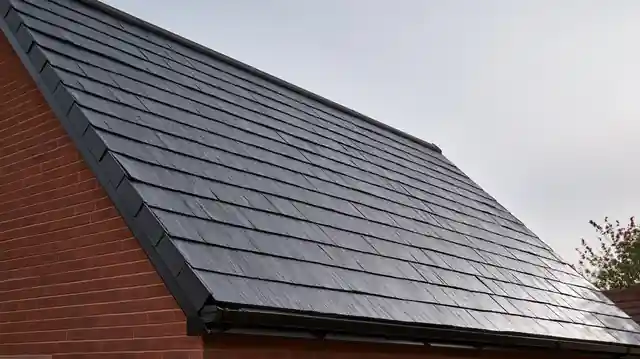
Roof Leak Repairs Chelmsford
Roof leak repairs that find the cause quickly and restore confidence in your home.
Roof Leak Repairs for Chelmsford Properties
Roof leaks need a careful response because water can travel before it shows indoors. This page explains how leak repairs are assessed, traced and scoped so the right work can be specified with confidence.
A roof leak is not always caused by the most obvious damp patch, so the first step is to identify where water is entering. A clear repair plan depends on separating the visible symptom from the actual defect above it.
The right approach may involve checking several parts of the roof rather than focusing on one isolated area. That helps avoid unnecessary work and supports a repair that addresses the underlying issue, not just the surface damage.
Once the likely source is found, the next step is to match the repair to the condition of the surrounding roof. That keeps the work proportionate and helps determine whether a local repair or a wider scope is more suitable.
You can also review the wider work covered by our Chelmsford roofers for leak and repair enquiries.
Roof Leak Investigation at a Glance
- Roof survey and visible-condition check
- Clear explanation of the likely cause
- Appropriate material and access considerations
- Written quotation for the proposed scope

How We Investigate and Trace a Roof Leak
Before any repair is specified, the roof and the affected internal areas should be checked together. The aim is to confirm the likely entry point, understand how water is travelling and identify any related defects that may need attention.
Inspect before specifying the work
Inspection should start with the area where the leak is reported, but it should not stop there. Water can enter at one point and appear elsewhere, so a proper assessment follows the likely path of ingress as well as the visible staining.
It is also important to look at the surrounding roof details, including junctions, flashings and other vulnerable transitions. These are often the places where a small defect can allow water into the roof structure.
An inspection should note whether the issue appears localised or part of broader wear. That distinction helps decide whether the repair can be targeted or whether more extensive remedial work is likely to be needed.
What guides the quotation
The quotation should be based on the findings of the inspection rather than a guess from the symptoms alone. That means allowing for the specific defect, the materials involved and the amount of work needed to complete the repair properly.
Assessment focus
- Start with the internal symptom
- Trace the likely water route
- Separate ingress from condensation
Written scope
- Visible condition
- Safe access
- Material specification
- Relevant exclusions
Understanding Roof Leak Detection
Roof leak detection is about identifying the fault that is letting water in, then defining the scope needed to fix it. Some problems can be resolved with a focused repair, while others need a wider remedial approach if the surrounding condition is also compromised.
A suitable response depends on what the inspection reveals, because not every leak has the same cause. The work should be matched to the defect, the extent of any deterioration and the parts of the roof that are affected.
That is why leak repairs are best treated as a diagnostic and repair process rather than a simple patching exercise. The aim is to stop the water entry and reduce the chance of the same issue returning in a different form.
- The indoor mark is compared with roof slopes and junctions rather than assuming the entry point is directly above.
- Weather timing and moisture patterns help separate external water ingress from condensation.
- The findings are translated into a focused repair scope instead of speculative work.
Common Sources of Water Ingress
Common leak sources often sit at changes in level or material, where weather protection is more vulnerable. These areas deserve close attention because even a small opening can allow water to work its way into the roof.
Damaged or displaced coverings can also create an entry point, especially where weathering has reduced the roof’s ability to shed water. In those cases, the repair may need to restore the integrity of the local area as well as the immediate fault.
Joints and junctions are another frequent concern because they rely on accurate detailing to remain watertight. If those details have opened up, the repair should address both the opening itself and the reason it failed.
Leadwork, flashings and similar detailing often need careful inspection because they bridge vulnerable transitions. A defect there can produce symptoms that seem to come from a different part of the roof altogether.
Flat roof areas can also develop leaks where seams, edges or surface finishes have deteriorated. The correct repair depends on whether the issue is isolated or part of a wider condition problem.
Even when the roof covering looks serviceable, small weaknesses can still admit water under certain conditions. That is why tracing the full route of ingress matters more than relying on the most obvious visible damage.
- Position of the stain in relation to roof slopes and junctions
- Weather conditions and timing when the mark becomes visible
- Accessible evidence of water tracking along underlay or roof timbers
How We Find and Trace a Roof Leak
Tracing a leak starts with the evidence available on site and builds from there. The process looks for the most plausible route of water entry, then checks the surrounding details until the source can be narrowed down.
A careful trace avoids assumptions, because water often moves away from the entry point before it shows inside. By following the likely path of travel, the inspection can distinguish between the source of the problem and the place where the symptoms appear.
Once the source is identified, the repair plan can be written around that finding. This helps ensure the quoted work is based on the actual defect and not on guesswork from internal staining alone.
- Map the internal mark against the external roof layout
- Inspect likely entry details before disturbing sound materials
- Record the most probable route and any areas that cannot be seen safely
Interior Signs of a Roof Leak
Ceiling marks, bubbling paint and localised staining are all signs that water may be entering above the affected room. These symptoms are useful clues, but they need to be read alongside the roof inspection rather than treated as proof of the exact fault.
A leak may also show up as plaster damage, damp edges or recurring patches after rain. Repeated symptoms are often a sign that the entry point has not been fully addressed and that the roof needs a proper trace.
If the problem appears to worsen after particular weather conditions, that can help narrow the investigation. The timing of the symptom may point toward a vulnerable junction, opening or failed detail on the roof.
Internal signs can reveal where water is travelling, but they do not always show where it begins. That is why the roof itself must be checked before any repair is specified.
Where mould or persistent damp is present, the cause may be more complex than a single isolated leak. A broader inspection helps determine whether the issue is linked to roof ingress, condensation or another source of moisture.
- Defined ceiling stains, peeling decoration or discoloured plaster
- Damp rafters, battens or insulation within an accessible roof space
- Musty odours, recurring moisture or daylight around a roof defect
Rooflights, Vents and Condensation
Rooflights and vents can be leak points if their seals or surrounding details have deteriorated. They also need to be considered alongside condensation, which can create damp symptoms that resemble a roof leak.
Because roof openings interrupt the weatherproof surface, their condition should be checked carefully. A small issue around the frame or perimeter can allow water to enter or can lead to misleading internal staining.
Condensation can build where warm, moist air meets cooler surfaces, especially around penetrations or poorly ventilated areas. That means not every damp mark above a rooflight or vent is automatically the result of rainwater ingress.
A proper assessment distinguishes between leakage and moisture from internal condensation. Making that distinction early helps avoid unnecessary repair work and supports a more accurate written scope.
- Perimeter seals, upstands and visible flashing condition
- Vent and pipe penetrations where they pass through the covering
- Airflow and moisture patterns that could indicate condensation
From Leak Investigation to a Written Repair Scope
Condition
The visible condition of the roof materials helps show whether the issue is isolated or part of wider wear. That context matters, because a local defect may be repairable while more general deterioration may call for a broader response.
Access
Access can affect how a leak is investigated and repaired, especially where safe working space is limited. If access is more difficult, the inspection and the eventual scope should reflect what can be reached safely and effectively.
Specification
The specification should describe exactly what needs to be repaired, replaced or made good. A clear scope avoids ambiguity and helps ensure the work addresses the cause of the leak rather than only its visible effects.
Roof Leak Repairs FAQs
A ceiling stain can appear away from the roof fault because water often travels along timbers, membranes or other internal surfaces before it shows below. The stain marks where the water emerged indoors, not always where it first entered the roof.
Photographs can be helpful for showing symptoms and guiding an inspection, but they rarely prove the exact leak source on their own. A physical assessment is usually needed to follow the path of water and check the surrounding details.
A damp patch is not always a roof leak. It can also come from condensation, plumbing or other moisture sources, so the cause should be checked properly before repair work is specified.
Yes, a rooflight or vent can leak if its seals, flashings or surrounding details have failed. They can also be associated with condensation, so the fault should be identified carefully rather than assumed.
Ask about roof leak repairs
A written quotation should follow the inspection findings, because the condition of the roof determines the most suitable repair approach. The final scope may depend on the defect found, the materials involved, how easy the area is to access and whether the problem is localised or more widespread.
A clear written scope helps you understand what will be done and why it is needed. That makes it easier to compare options, avoid unnecessary work and move forward with a repair plan that fits the actual condition of the roof.