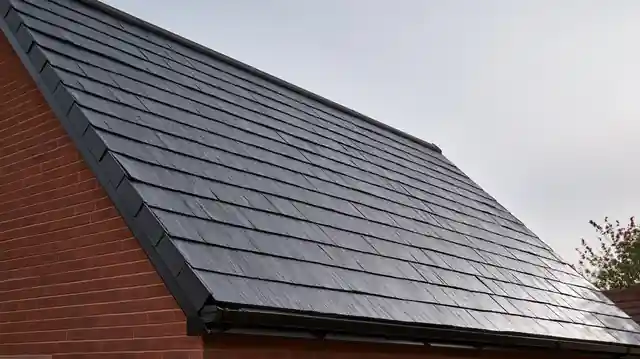
Ridge Tile Repairs Chelmsford
Ridge tile repairs in Chelmsford that help secure the roofline and keep problems from spreading.
Ridge Tile Repairs for Chelmsford Properties
Ridge tile repairs are used when ridge or verge details need attention to remain secure and weather-resistant. This page explains how the work is assessed, what may influence the repair approach, and why a written scope matters before anything is agreed.
A ridge repair can be appropriate when tiles are loose, mortar has deteriorated, or the finishing details no longer sit correctly. The aim is to restore a sound junction at the roof apex without assuming more work than the condition actually requires.
Small defects at the ridge or verge can let movement continue, so a repair should focus on the exact area affected. Careful attention to the surrounding tiles and fixings helps avoid treating only the visible symptom.
Where the ridge or verge has failed in more than one place, the most suitable response may be broader than a single tile reset. A measured approach keeps the work aligned with the roof’s actual condition and avoids unnecessary disturbance.
For wider faults around the covering and roofline, visit our ridge and roofing specialists serving Chelmsford overview.
Ridge and Verge Repair Topics at a Glance
- Roof survey and visible-condition check
- Clear explanation of the likely cause
- Appropriate material and access considerations
- Written quotation for the proposed scope
How We Assess Ridge and Verge Details
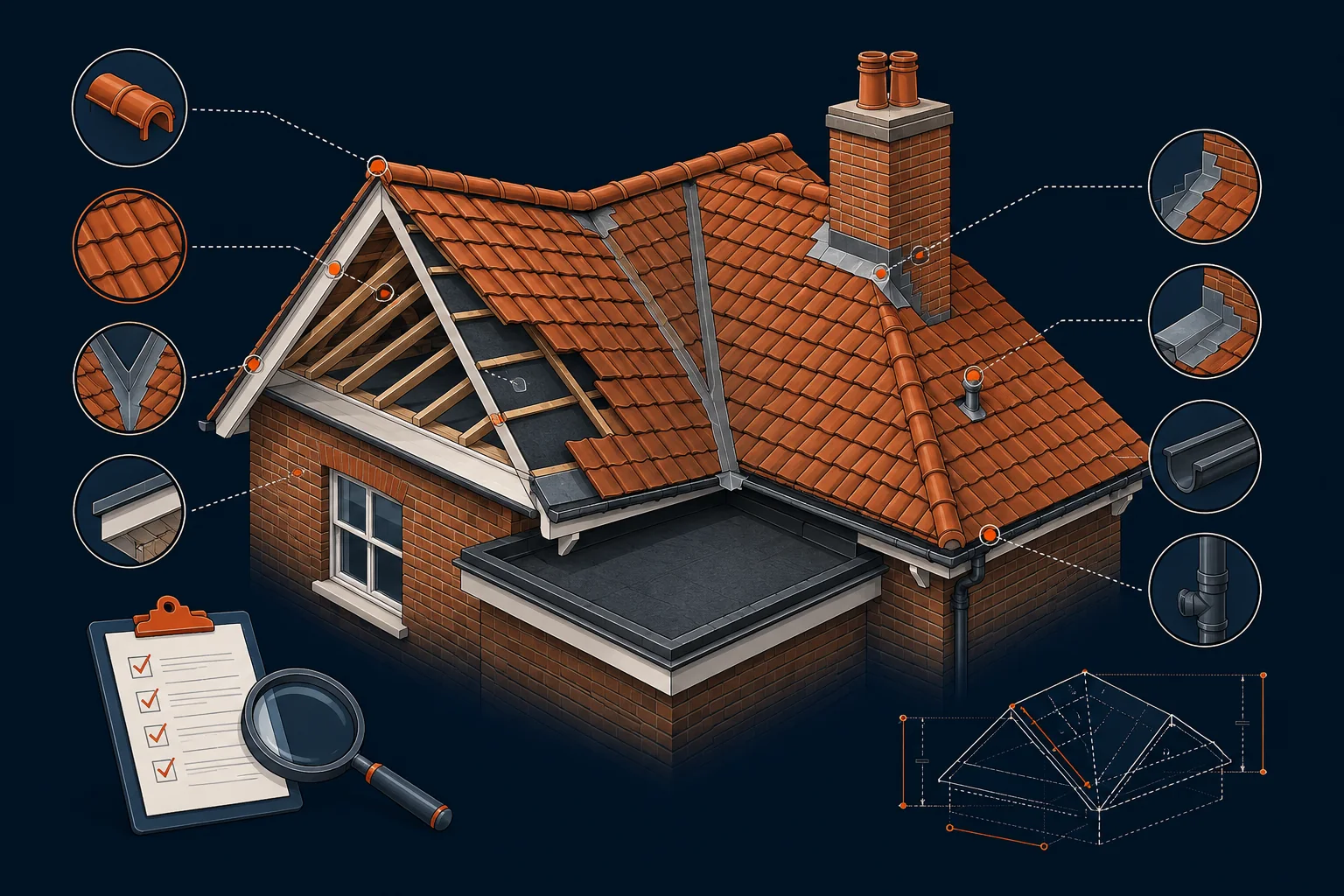
Before any repair is specified, the ridge and verge details should be checked for movement, deterioration, missing material and any signs that the problem extends beyond one tile. The right solution depends on what is found on the roof, not on appearance alone.
Inspect before specifying the work
Inspection should begin with the condition of the ridge line, because loose or displaced tiles often indicate that the fixing method is no longer performing as intended. That check should also consider whether the issue is isolated or part of a wider pattern.
The verge detail deserves the same attention as the ridge, since both areas help protect the roof edges. If the visible finish is failing, the underlying support and fixing arrangement should be reviewed before work is chosen.
A good assessment also looks for previous repair work and how well it is still holding together. Older repairs can remain serviceable, but they may need adjustment or replacement if the surrounding materials have moved or broken down.
What guides the quotation
A quotation should follow the findings from inspection, including the extent of the repair area and the method needed to complete it properly. Material choice, preparation and the amount of work involved all shape the final scope.
Assessment focus
- Check exposed roof lines
- Compare mortar and dry-fix
- Inspect adjoining tiles
Written scope
- Visible condition
- Safe access
- Material specification
- Relevant exclusions
Ridge Tile and Roof Verge Repairs
Ridge tile and roof verge repairs should be matched to the condition on site, because some roofs only need localised making-good while others need more involved renewal. The scope should clearly describe what is being repaired, what is being replaced and what is left undisturbed.
If the ridge tiles are still broadly sound, a targeted repair may be enough to stabilise the affected section. When tiles or bedding have failed more widely, the work may need to extend so the finished result remains secure.
Verge repairs often require a different response from ridge repairs, even though both sit at the roof edge. The right specification depends on how the edge detail was built and how it has changed over time.
- The ridge or verge line is checked alongside adjoining tiles, fixings and mortar.
- A local defect may suit re-bedding, while recurring movement can point towards a dry-fix solution.
- The written scope should distinguish component repair from unrelated tiled-roof work.
Why Ridge Tiles Slip
Ridge tiles can slip when the fixing or bedding that holds them in place has weakened. Movement, weather exposure and age can all contribute to that loss of grip.
Once a ridge has started to move, nearby sections may also become less stable. That is why a repair should include a check of adjacent tiles rather than focusing only on the one that looks loose.
Loose ridge tiles are not only a finish issue; they can also point to breakdown in the layers that support the roof apex. A proper repair should address the cause of movement as well as the tile itself.
- Cracked or missing mortar beneath ridge units
- Loose, corroded or absent mechanical fixings
- Damage to adjoining tiles and underlay below the ridge line
Re-bedding or Dry-ridge?
Re-bedding is generally considered when the ridge tiles are suitable to keep but the existing mortar or fixing has failed. It is a repair-led approach that depends on the tiles, the roof condition and whether the underlying detail can be restored effectively.
A dry-ridge system is a mechanically fixed ridge detail rather than one held solely with mortar. It is chosen when the specification calls for a different fixing method and the roof is suitable for that approach.
Neither re-bedding nor dry-ridge is automatically the right answer. The best option depends on the roof’s condition, the existing construction and whether the current ridge can be repaired or should be renewed in a different form.
- Re-bed a limited section where traditional mortar remains suitable
- Use a compatible dry-ridge system where continuous mechanical fixing is preferred
- Maintain ventilation and secure junctions at hips, ridges and end units
Roof Verge Repairs
Verge repairs deal with the roof edge where the covering finishes at the side. Because that edge is exposed and structurally important to the weatherproof line, any repair should be set out clearly before work starts.
A verge issue may involve loose material, failing mortar or a detail that no longer sits correctly against the roof edge. The repair should be chosen to suit the actual defect rather than using the same fix for every roof.
Where the verge has deteriorated beyond a simple patch, the scope may need to include removal and rebuilding of the affected section. That helps ensure the repaired edge is consistent, secure and properly finished.
- Loose or missing mortar along the gable edge
- Displaced tiles, caps or dry-verge components
- Condition of adjoining battens and the roof edge beneath the finish
A Clear Scope for Ridge and Verge Repairs
Condition
The condition of the ridge, verge and nearby tiles determines whether a repair can be localised or needs to be more extensive. A clear view of deterioration is essential before any recommendation is made.
Access
Access affects how safely and efficiently ridge and verge repairs can be carried out. The setup needed for the roof should be considered as part of the inspection so the quotation reflects the real job.
Specification
Specification should state the repair method, the extent of the work and any materials needed to complete it properly. A precise scope helps avoid misunderstandings and keeps the job aligned with the roof’s condition.
Ridge Tile Repairs FAQs
A ridge tile can become loose when the fixing or bedding has weakened, when movement has developed in the roof detail, or when age and weather have broken down the material that was holding it in place. Once it moves, the surrounding section should also be checked.
Yes, ridge tiles can often be re-bedded if the tiles themselves are suitable to keep and the existing support has failed. The decision depends on the condition of the ridge, the surrounding materials and whether a repair will hold properly.
A dry-ridge system uses mechanical fixings rather than relying only on mortar to secure the ridge. It is a different construction method, so whether it is suitable depends on the roof and the repair objective.
No, the verge and the ridge are different parts of the roof. The ridge is the top line where roof slopes meet, while the verge is the finishing edge along the side of the roof.
Ask about ridge tile repairs
A written quotation should reflect what the inspection reveals, including the condition of the ridge or verge, how much of the roof is involved and the method needed to complete the repair. Access and material requirements also affect the final scope, so the quote should make those factors clear.
If you are comparing options for ridge tile repairs, ask for a scope that explains the findings and the proposed method in plain terms. That makes it easier to see whether the work is a local repair, a wider renewal or a different fixing approach altogether.