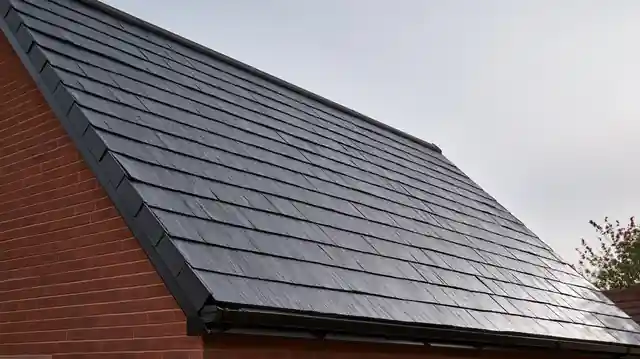
New Roofs & Roof Replacement Chelmsford
New roofs and roof replacement planned around your property, your priorities, and a clear written scope.
New Roofs & Roof Replacement for Chelmsford Properties
A new roof or roof replacement is often considered when repairs are no longer giving a dependable result. This page explains how the work is assessed, what can influence the specification, and how a suitable quotation is put together for Chelmsford properties.
The right approach depends on the roof’s condition, the extent of any deterioration, and whether a targeted repair or a fuller replacement is the more practical option. A careful review helps make that decision based on what is found, not guesswork.
When a roof is nearing the end of its useful service, replacement can provide a clearer long-term plan than repeated patch repairs. It also gives the opportunity to set out the work properly from the start, so the result matches the condition of the roof and the needs of the property.
A replacement may be considered after water ingress, widespread wear, or recurring failure points have made repairs less effective. In those cases, the focus shifts from short-term fixing to defining the work that will restore the roof as a whole.
The aim is to match the scope to the actual roof condition and avoid unnecessary work. That means identifying what genuinely needs attention, what can remain in place, and what should be included in the specification before any new roof is agreed.
For repair, inspection and roofline options, return to our Chelmsford roofing company overview.
Roof Replacement Topics at a Glance
- Roof survey and visible-condition check
- Clear explanation of the likely cause
- Appropriate material and access considerations
- Written quotation for the proposed scope
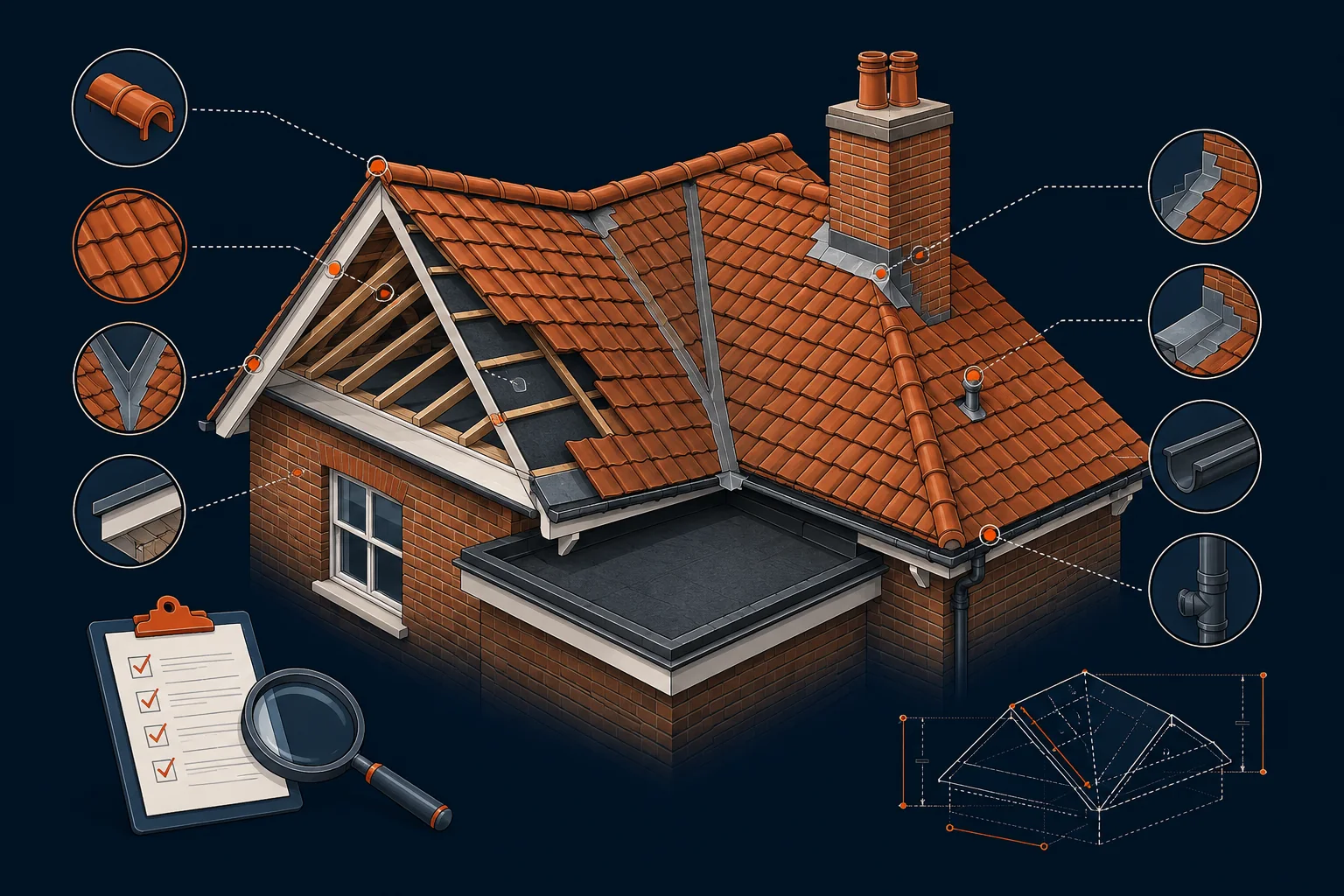
How We Plan a Roof Replacement
Before repair or replacement work is specified, the roof should be checked for the extent of deterioration, the condition of the covering and supporting elements, and any signs that problems may be more widespread than they first appear. Access, detailing, and the practical limits of repair all help determine whether a sectioned repair or a fuller replacement is more suitable.
Inspect before specifying the work
A proper inspection starts by looking beyond the obvious fault and considering the roof as a whole. That helps reveal whether the issue is isolated or part of a broader pattern of wear that may affect the final recommendation.
The condition of the visible covering, the integrity of flashings and edges, and any related roofline details all matter when the work is being defined. If several elements are failing together, a replacement may be more sensible than repeated individual repairs.
A clear inspection also helps identify anything that could affect the scope once work begins, such as hidden deterioration or areas that need closer access. The more complete the assessment, the easier it is to write a quotation that reflects the real job.
What guides the quotation
The quotation should be guided by what the inspection reveals, including the roof size, the amount of work required, and the materials and details chosen for the replacement. A written price is most useful when it reflects the specific specification rather than a broad average.
Assessment focus
- Assess the wider roof condition
- Compare repair with replacement
- Specify the complete roof build-up
Written scope
- Visible condition
- Safe access
- Material specification
- Relevant exclusions
What to Consider Before a New Roof
The right service scope depends on whether the roof can still be sensibly repaired or whether replacement is the better route. After assessment, the response should follow the condition found, the level of deterioration, and the parts of the roof that need to be included in the work.
A good scope makes clear what is being replaced, what is being retained, and where further investigation may be needed before the final specification is fixed. That keeps the work practical and helps avoid assumptions that do not match the roof in front of you.
Some roofs only need targeted intervention, while others have reached a stage where the overall specification matters more than isolated fixes. The decision usually comes down to whether the problem is limited and localised, or repeated across enough of the roof to justify replacement.
It is also important to consider whether the existing roof structure and associated details are still suitable for continued patch repairs. If the underlying condition is too inconsistent, a more comprehensive scope can be the clearer and more efficient option.
- The decision starts with whether deterioration is localised or spread across the roof covering.
- The specification must account for structure, underlay, battens, ventilation and roof details.
- Access, waste removal and the chosen covering all influence the written replacement scope.
Repair or Replace the Roof?
Repair is often the better answer when the issue is confined and the rest of the roof remains serviceable. Replace becomes more relevant when failures are widespread, the roof has reached a poor overall condition, or the expected benefit of more repairs is limited.
A replacement is not only about covering the roof again; it is about setting a complete and workable specification. That means deciding what should be removed, what should be renewed, and how the roof should be rebuilt in a way that suits the property.
The most suitable choice is the one that balances current condition, long-term practicality, and the extent of work needed to achieve a dependable result. A careful assessment makes that choice clearer and helps avoid under-scoping the job.
- Focused repair where defects are isolated and the wider covering remains sound
- Replacement discussion where deterioration is widespread across a roof slope
- Consideration of recurring faults, age and cumulative repair cost
What a Re-roof Can Involve
A re-roof can involve removing existing coverings and dealing with the layers or components that no longer perform as intended. The exact scope depends on the roof’s condition, the details that need attention, and whether the work is a partial or full replacement.
Once the old materials are taken back, the roof can be assessed properly and rebuilt to the agreed specification. That stage is where hidden issues may appear, which is why a clear plan and written scope are important before work starts.
The final arrangement should state what is included, what has been assumed, and what will happen if the inspection reveals additional necessary work. Clear expectations help the replacement proceed in a controlled and understandable way.
- Strip or carefully salvage the existing covering as appropriate
- Inspect and repair the deck, rafters, battens and supporting details
- Install underlay, ventilation, new covering and compatible roof junctions
What Affects New Roof Cost
New roof cost is influenced by the size of the roof, the amount of work needed, and the materials selected for the replacement. A straightforward roof may need a simpler scope, while a more involved job can require additional time, labour, and detailing.
Condition is one of the main factors, because a roof with widespread deterioration may need more extensive work than one with a limited problem. The better the existing roof can be understood, the more accurately the quotation can reflect the likely scope.
Access can also affect cost, especially where the roof is difficult to reach or where extra arrangements are needed to complete the work safely and efficiently. These practical factors should be considered alongside the roofing specification itself.
The chosen materials and the level of finish expected will also shape the quotation. A written price should therefore follow the agreed scope and the findings of the inspection, rather than being treated as a fixed standard figure.
- Measured area, pitch, roof shape and number of complex junctions
- Selected covering, fittings, insulation and ventilation requirements
- Scaffolding, waste handling and repairs discovered after stripping
Choosing a New Roof Covering
Choosing a new roof covering depends on the roof design, the condition found, and the performance you want from the replacement. The covering should suit the property, the specification, and the practical demands of the work.
Different coverings can involve different detailing, installation requirements, and maintenance expectations. A sensible choice is one that fits the roof’s structure and supports a consistent, durable result.
The best covering is rarely chosen in isolation. It should be considered alongside the condition of the roof build-up, the scope of the replacement, and any details that need to be renewed at the same time.
A replacement specification should make clear whether the covering is being renewed on its own or as part of a broader roof rebuild. That distinction matters because the surrounding components often influence the final outcome as much as the visible finish.
Once the options are understood, the aim is to choose a covering that is appropriate for the property and realistic for the scope of work. Clear advice at this stage helps the project stay aligned with the roof’s actual needs.
- Roof pitch, loading and compatibility with the supporting structure
- Appearance, planning constraints and relationship with neighbouring roofs
- Availability of matching fittings and a complete manufacturer-approved detail
Defining the Re-roofing Specification
Condition
The condition of the existing roof is the starting point for any replacement discussion. Once that is understood, it becomes easier to judge whether a repair remains viable or whether a new roof is the more practical solution.
Access
Access affects how the work can be carried out and what preparations may be needed before replacement begins. Where access is more limited, the plan should reflect that from the outset so the scope and quotation remain realistic.
Specification
The specification should set out the intended scope in enough detail to avoid uncertainty once the work begins. That includes the parts of the roof to be renewed, the materials selected, and any assumptions that have been made from the inspection.
New Roofs & Roof Replacement FAQs
A new roof is usually more suitable when repairs are no longer solving the problem, the deterioration is widespread, or the roof needs repeated attention. In those cases, replacement can be the more practical and dependable option because it addresses the roof as a whole rather than dealing with each fault separately.
A re-roof may involve removing the existing covering and any other components that are no longer performing properly, then rebuilding the roof to the agreed specification. The exact removal work depends on the roof’s condition and the scope set out after inspection.
How long a new roof lasts depends on the materials used, the quality of the specification, and how well the roof is maintained over time. Because those factors vary, a sensible expectation is one based on the chosen system and the conditions of the individual property rather than a single fixed figure.
Yes. A new roof should be planned with building-regulation considerations in mind where they apply. The relevant requirements depend on the nature and extent of the work, so the specification should be checked carefully before the job is agreed.
Ask about new roofs & roof replacement
A written quotation should reflect the inspection findings, the access needed to complete the work, the chosen materials, and the agreed scope. That gives you a clearer basis for comparing options and understanding exactly what the replacement includes.
If the roof condition suggests further investigation or reveals additional work once opened up, the quotation should make that clear. The most reliable price is the one that is tied to a defined specification and a realistic understanding of the roof.
If you are considering a new roof or roof replacement, start with an inspection and a written scope. That approach helps turn a broad roofing concern into a practical plan that is easier to understand, compare, and move forward with.