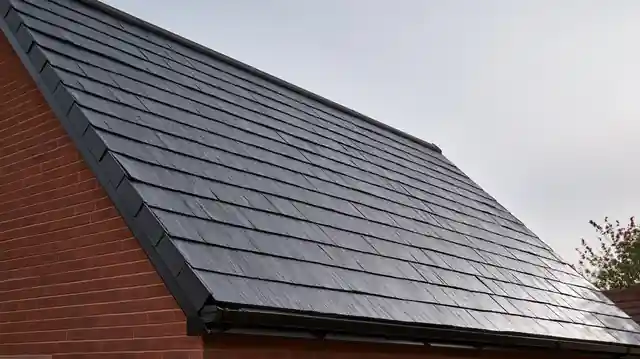
Roof Valley Repairs Chelmsford
Roof valley repairs in Chelmsford that protect your roof and help prevent recurring leaks.
Roof Valley Repairs for Chelmsford Properties
Roof valleys are a key drainage detail, so damage here can quickly affect the surrounding roof area. This page explains how valley repairs are assessed, what may influence the work, and why a written scope matters before anything begins.
A valley repair is usually considered when water is finding a weak point along the junction between roof slopes. The aim is to identify whether the issue is localised damage, failed weatherproofing, or a wider condition problem that needs a fuller repair plan.
Small defects can sometimes be addressed without extensive work, but the right response depends on what is found on inspection. A careful approach helps avoid replacing sound materials while still dealing properly with the cause of the leak.
Because valleys collect and direct rainwater, even minor wear can have a noticeable effect if it is left unresolved. Clear advice on the likely repair path helps you understand what is needed and why it is being recommended.
Valleys are considered as part of the wider work handled by our valley and roofing specialists in Chelmsford.
Roof Valley Repair Topics at a Glance
- Roof survey and visible-condition check
- Clear explanation of the likely cause
- Appropriate material and access considerations
- Written quotation for the proposed scope
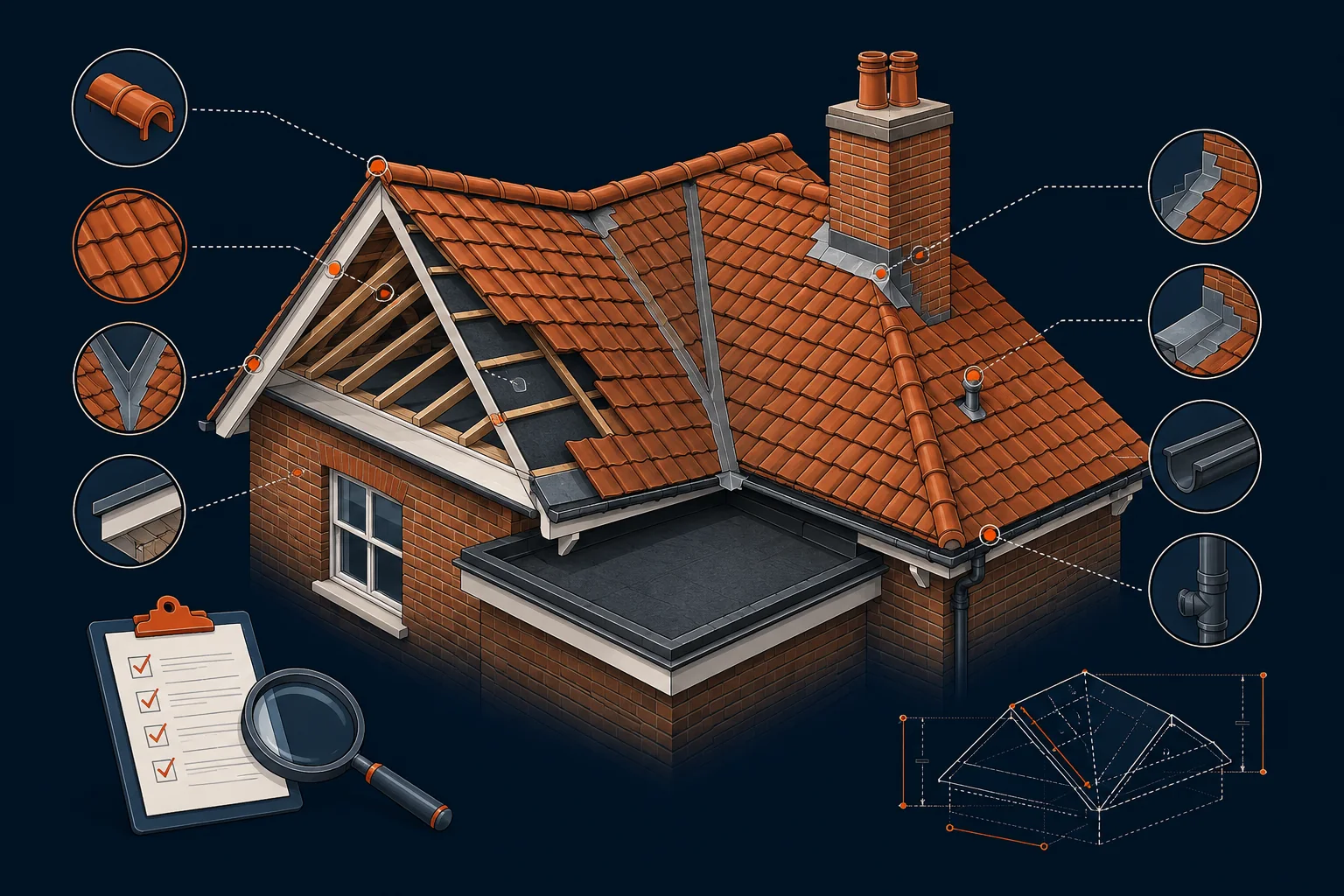
How We Assess a Roof Valley
Before any repair is specified, the valley should be checked for visible wear, failed joints, displaced materials, and signs of water entry around the adjoining roof areas. An assessment should also consider whether the problem is limited to one section or indicates more widespread deterioration.
Inspect before specifying the work
Inspection should start with the valley line itself, including the condition of the covering, edges, and overlaps. This gives a clearer picture of whether the issue is a repairable defect or part of a broader failure in the surrounding roof detail.
It is also important to look for staining, dampness, or debris build-up that may point to restricted water flow. These signs can help show how the problem developed and whether the valley has been under stress for some time.
A good inspection also considers nearby roof coverings and any details that meet the valley. Problems can begin outside the valley itself, so the surrounding area should be checked before a repair method is chosen.
What guides the quotation
A quotation is guided by the findings of inspection, the extent of any damage, and the work needed to make the valley sound again. The proposed scope should reflect what is actually required rather than relying on a generic repair approach.
Assessment focus
- Clear the drainage route
- Inspect the valley lining
- Check the side details
Written scope
- Visible condition
- Safe access
- Material specification
- Relevant exclusions
Roof Valley Types, Leaks and Repairs
Roof valley work can range from limited repairs to more involved renewal, depending on the condition found. The appropriate response depends on whether the valley is structurally sound, whether weatherproofing has failed, and how much of the surrounding roof detail is affected.
Some valleys can be repaired by dealing with a specific defect, while others need more of the existing detail to be renewed. The key question is whether the valley can continue to perform reliably after a focused repair, or whether a broader solution is the safer option.
The service scope should always match the diagnosis. That means the repair plan should follow the condition found on site, not a preset assumption about what the valley needs.
- The valley channel, lining and side junctions are checked as one drainage detail.
- Lead, GRP and tiled valleys require different repair methods and compatible materials.
- The proposed work should address the water route rather than covering only the visible symptom.
What a Roof Valley Does
A roof valley channels rainwater from adjoining slopes into a controlled drainage line. Because it carries a concentrated flow of water, the valley plays an important part in protecting the rest of the roof from overflow and seepage.
When a valley is working properly, water is directed away efficiently and the surrounding roof finish stays drier. If the valley becomes damaged or obstructed, the risk of leakage rises at the point where the slopes meet.
That is why valley faults can matter even when the rest of the roof looks reasonable. A problem in this one detail can affect the performance of a much larger area.
- A continuous channel directing water towards the gutter
- Stable support beneath the selected valley lining
- Watertight side junctions with the adjoining roof covering
Lead, GRP and Tiled Valleys
Different valley constructions may call for different repair methods. The material, fixing method, and surrounding roof finish all influence how the valley should be handled.
Some valleys use metal lining, while others rely on composite or tiled details. Each type has its own wear patterns, so the inspection should identify the construction before any repair is planned.
A repair that suits one valley type may not be appropriate for another. Matching the method to the actual valley construction helps the finished work perform as intended.
Where the valley detail is part of a larger roof arrangement, the repair plan may also need to protect adjoining materials. This is another reason why the exact valley type should be identified before work is agreed.
- Lead valleys formed in suitable bays with controlled laps
- GRP units installed to the relevant proprietary detail
- Tiled or purpose-made valleys laid with clear water channels
Why Roof Valleys Leak
Valleys often leak because weathering has opened a weak point in the drainage line. Over time, movement, age, or deterioration in the surrounding details can allow water to enter where it should be shed away.
Debris can also contribute by holding water in place or interrupting the flow through the valley. When drainage is restricted, water may sit against the detail long enough to find a gap.
In some cases, the leak is linked to more than one factor, so the visible symptom is only part of the story. A proper diagnosis looks at both the valley itself and the roof areas that meet it.
- Debris restricting flow or holding moisture within the channel
- Split, punctured or poorly supported valley lining
- Open side joints, displaced tiles or failed edge mortar
Roof Valley Repair
A valley repair should be based on the defect found, whether that means renewing a worn section, restoring the weatherproofing, or correcting a failed joint. The objective is to make the drainage line reliable again without unnecessary work.
The repair process should be shaped by the valley’s construction and the condition of neighbouring roof materials. That helps ensure the finished detail fits the roof properly and performs as expected.
If the damage is limited, a focused repair may be enough. If the valley has deteriorated more widely, a more extensive scope may be needed to achieve a durable result.
A written repair plan is useful because it sets out what is being done and why. It also helps distinguish between a small local repair and work that involves renewing more of the valley detail.
- Clean and correct a sound channel with a limited local defect
- Renew a failed length of lining with compatible support and laps
- Reset side tiles or mortar details so water remains within the valley
A Written Plan for Valley Repairs
Condition
Condition is the starting point for any valley repair decision. Signs of wear, movement, or water entry tell you whether the problem is minor, developing, or already beyond a simple patch-up.
Access
Access can affect how easily the valley can be inspected and repaired, especially where the detail is awkward to reach. Safe access matters because it helps ensure the inspection is thorough and the work is carried out properly.
Specification
Specification should follow the condition and access findings, along with the valley type and the surrounding roof details. A clear specification helps make the repair easier to understand and reduces the risk of gaps in the work plan.
Roof Valley Repairs FAQs
A roof valley is the channel where two roof slopes meet and water is directed away. It is a drainage detail, so it has to stay sound and unobstructed to keep the roof performing properly.
Valleys can become blocked when debris, moss, or other build-up interrupts the flow of water. If the channel cannot drain freely, water may back up and increase the chance of leakage.
Yes, a lead valley can often be repaired if the defect is localised and the surrounding detail remains sound. The exact repair depends on the condition of the lead, the extent of any movement or wear, and whether the valley still has a reliable weatherproofing line.
A GRP valley is a valley detail formed using glass-reinforced plastic as the weatherproof lining. It is used to create a water-shedding channel, and the repair approach depends on how the surface, joints, and adjoining roof materials have performed over time.
Ask about roof valley repairs
A written quotation should reflect what the inspection has shown, including the valley condition, the access needed, the materials involved, and the scope of the proposed repair. That way, the quoted work is tied to the actual problem rather than a general assumption.
If more than one option is possible, the quotation can explain the difference between a limited repair and a wider renewal approach. This makes it easier to compare the likely extent of work before deciding how to proceed.
If you are unsure whether the valley needs repair or renewal, a written assessment is the best place to start. It gives you a clearer view of the condition and a more reliable basis for deciding on the next step.